Turn system‑of‑record and browser data into a map of human processes and full-context agent specs. Scope high-impact solutions without months of on-site discovery, and prove before/after ROI.
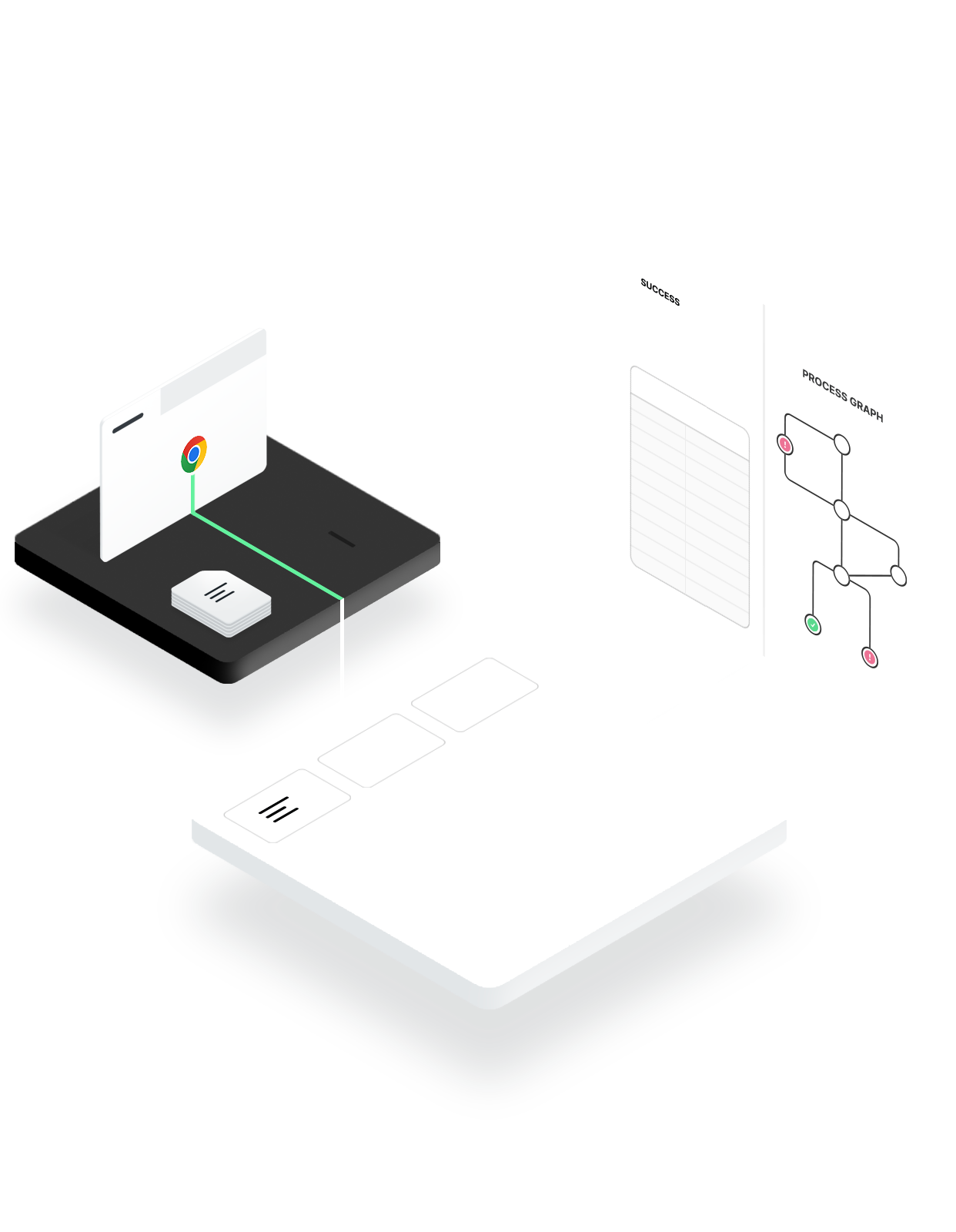





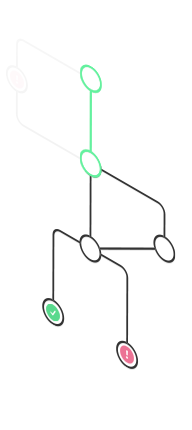







Today, companies building agents face long discovery cycles and months of engineering effort to understand customer processes, identify bottlenecks, and uncover automation opportunities.
WIQ uses system-of record and browser data to reconstruct business processes, and zeros in on highest value automation opportunities.


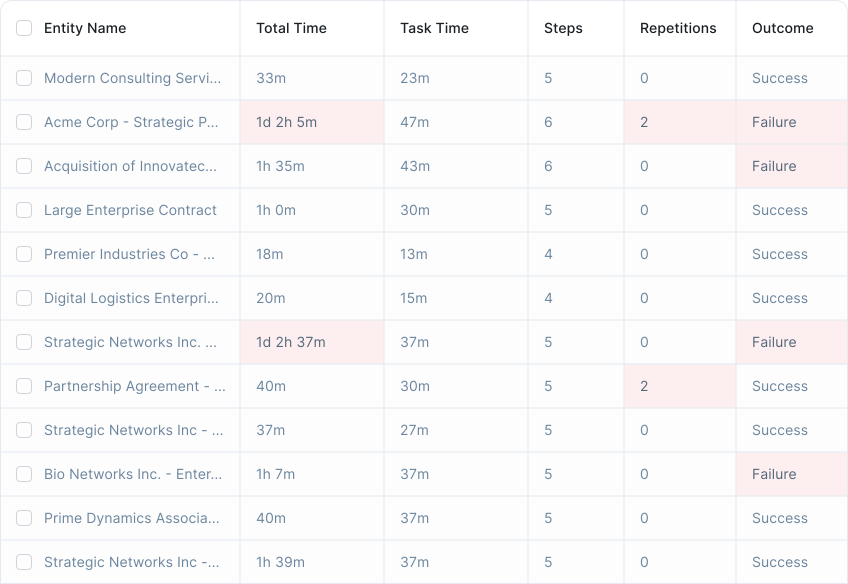
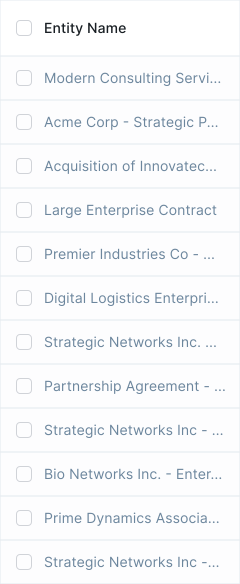
Currently, companies need to collect sample data from end-user teams, or use analytics systems they aren’t familiar with to design an agent that will hopefully perform as well as a human.
WIQ captures all the context humans use to make decisions allowing you to build agents to predictably augment human processes.
Agents are new, and proving that agentic automation actually improved business outcomes is hard. Currently AI agent companies can only measure usage as a proxy for value.
Prove your agents deliver ROI by monitoring performance after deployment. Measure KPIs for both the agentic and human process with zero additional setup.